Start with the work that needs more capacity. Understand the bottleneck, explore the technology, and define a practical path from assessment to operation.
Practical notes from COCON, with selected original Robot Phoenix guides linked for deeper technical reading.
01 / Getting started
Choose your first robot
Start with the workpiece, not the model number.
What to check ↓
Record the part dimensions, total carried weight including tooling, required reach, target cycle time and placement tolerance. Bring a layout and a short process video to the first discussion.
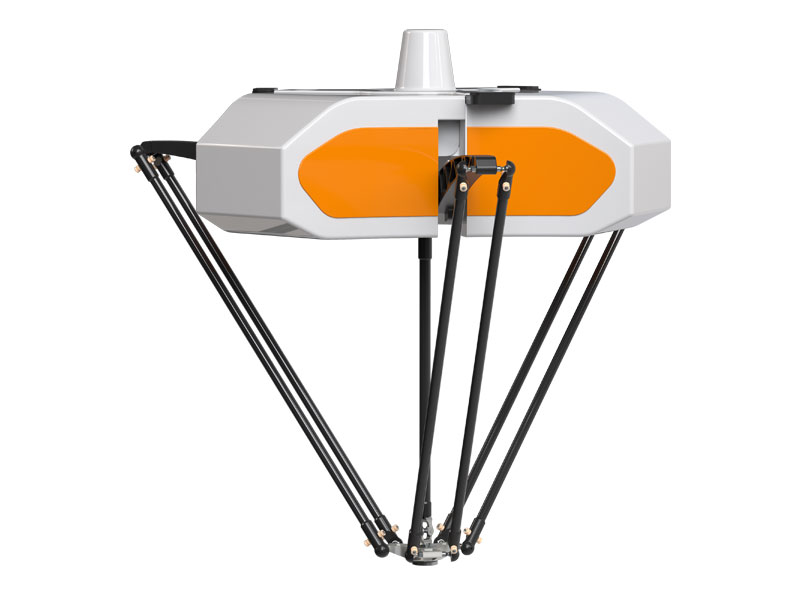
Explore Delta robotics for repeatable handling tasks.
What to check ↓
Delta applications include picking and packing food products and handling small components. For your line, first validate grip quality, product spacing and the required orientation. Test representative products before choosing tooling.
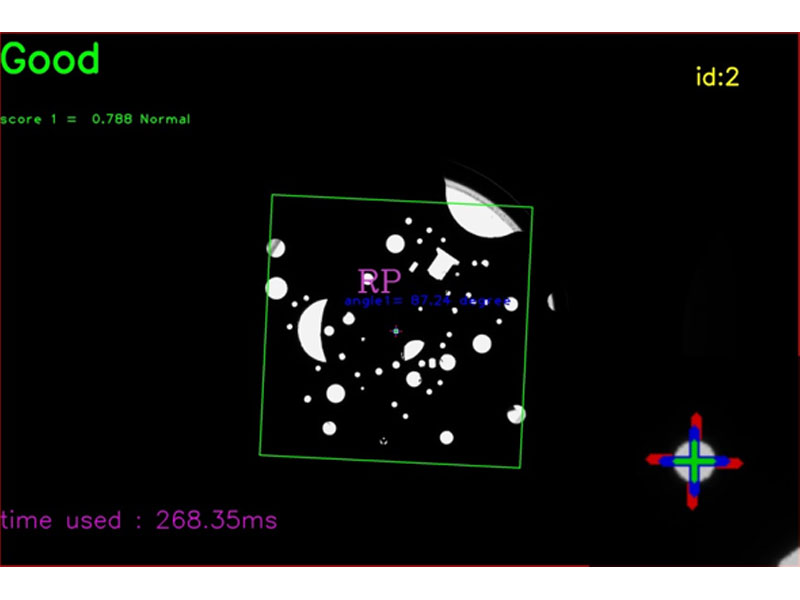
Use the manufacturer’s Kingkong vision guide as a technical starting point. Prepare sample images from your line and discuss lighting, object variation and how the robot should respond when a detection is uncertain.
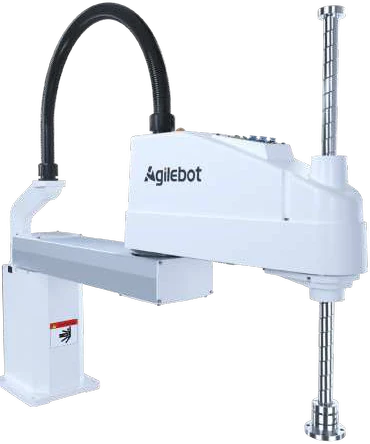
Define one pick-and-place sequence, fixture and acceptance criterion. Compare the available SCARA models against the real load and working envelope, then confirm the gripper and machine interface with the integration team.
Choose one workflow and document the baseline. Agree how success, stops, recovery and operator intervention will be measured. Use the pilot results to define the next phase of integration.
List the robot, tooling, guarding, integration, training and support in the project scope. Compare the expected operational benefit with the full cost and realistic uptime. Ask for an assessment before promising savings.
Inspired by the Robot Phoenix Robot Hub. COCON’s project notes are original guidance; linked manufacturer resources remain with their original publisher.
 01 / Getting started